The enduring legacy of McClellan AFB
McClellan AFB was a major driver in the evolution of our community - impacting jobs, housing and commercial development. When our Newsroom Elves felt it was high time we posted something about McClellan, they got hold of Joe Sebastian, who served for two decades as the Operations Manager of the Aerospace Museum at McClellan Park. We are most grateful to Mr. Sebastian for providing this article.

THE PHOENIX OF SACRAMENTO COUNTY - the enduring legacy of McClellan Air Force Base
For over six decades, the steady roar of military aircraft engines served as the heartbeat of Sacramento County. From the dark days of World War II to the tense standoffs of the Cold War, McClellan Air Force Base was not just a military installation, it was a massive industrial engine and the pride of Northern California.
When the Air Force officially shut the gates in 2001, many feared the 3,000-acre site would become a sprawling ghost town. Instead, McClellan engineered one of the most successful civilian resurrections in American military history. To understand its present-day triumph, one must look back to its depression-era roots, its legendary namesake, and the global logistics powerhouse it once was.
From Blueprint to Battlespace: The Early Names
The airport we see today at McClellan Park was born out of a desperate need for West Coast military infrastructure. In 1935, Congress authorized construction of a new aircraft repair and supply hub in California. Initially referred to simply as the Pacific Air Depot, the name morphed into the Sacramento Air Depot in 1936 when construction crews broke ground.
By 1939, as war clouds gathered over Europe, the facility was formally dedicated as McClellan Field. It would undergo yet another name change in 1947, becoming McClellan Air Force Base to reflect the birth of the U.S. Air Force as an independent military branch.
Remembering "Hez": the Frozen Frontier pioneer
The base’s namesake was a man defined by the daring spirit of early American aviation: Major Hezekiah “Hez” McClellan. During the early 1930s, Major McClellan was a pioneer in Army Air Corps aeronautical research. He spearheaded dangerous, uncharted air routes through Alaska and conducted pioneering cold-weather flight tests. In 1935, he carved his name into aviation history by executing the very first landing of a military aircraft north of the Arctic Circle at Point Barrow, Alaska. His maps and flight charts laid the crucial groundwork for the generation of military pilots who followed.
Tragedy struck on May 25, 1936. While flight-testing a Consolidated P-30 fighter aircraft near Centerville, Ohio, McClellan’s plane entered an unrecoverable spin. He stayed with the aircraft, losing his life in the subsequent crash. Posthumously awarded the Distinguished Flying Cross, his ultimate tribute came three years later when the War Department named Sacramento County's new crown jewel in his honor.
The Ultimate Repair Shop
When America entered World War II, McClellan transformed almost overnight into a 24/7 industrial titan. It became the single largest industrial employer in Northern California. At its wartime peak, more than 21,000 military and civilian personnel worked around the clock, overhauling engines, retrofitting bombers, and shipping vital supplies directly to the Pacific Theater.
During the Cold War, the base evolved into the home of the Sacramento Air Logistics Center (SM-ALC). Whether it was the Sabre jets of the Korean War, the fighter-bombers of the Vietnam War, or the high-tech armaments of Operation Desert Storm, McClellan kept America flying. By 1967, its workforce had ballooned to a staggering 26,000 employees. For generations of local families, "working at the base" was a middle-class rite of passage.
The base was essential to the growth and development of Arden Arcade. The community's housing, neighborhoods and shopping areas plus local amenities - like our parks, schools and churches - were attractive and convenient for the base's workforce. Fulton Avenue was not just a place to buy cars, it was where you could see airplanes taking off from or landing at the main runway at the base and hear the "sound of freedom"
The Modern Rebirth: McClellan Park
In 1995, the Base Realignment and Closure (BRAC) Commission delivered a devastating blow: McClellan was slated for closure. In 2001, the military flags were lowered for what many thought was the last time. But McClellan refused to fade into history.
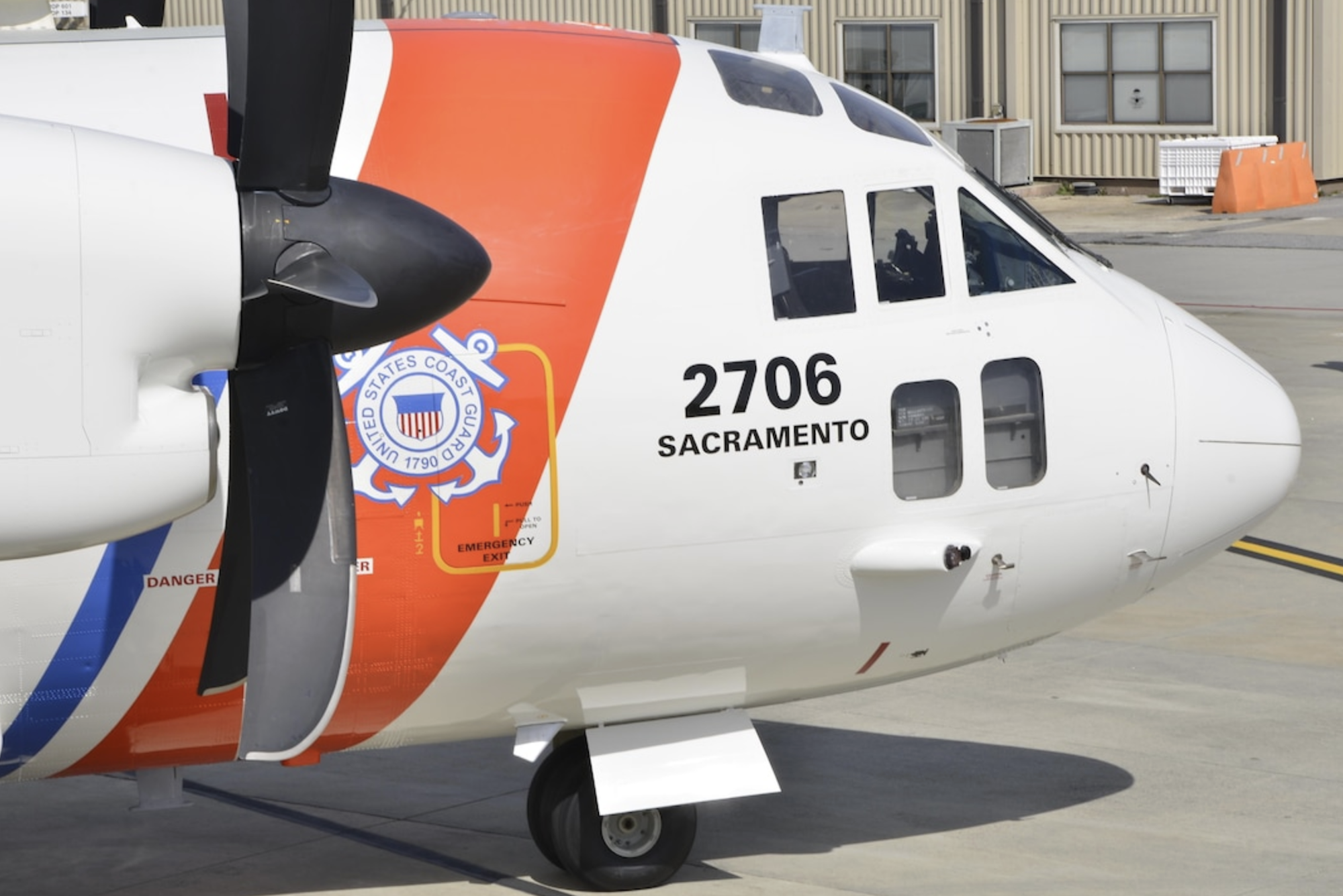
Today, the former base stands as McClellan Business Park, a thriving, multi-use industrial, corporate and public service community. The industrial hangars that once housed fighter jets are now occupied by private aerospace giants like Northrop Grumman and public safety heavyweights like Cal Fire and the U.S. Coast Guard. The original military runway lives on as the Sacramento McClellan Airport, a busy public-use airfield. The Coast Guard's Air Station Sacramento still operates its critical search-and-rescue and maritime patrol missions directly from the airfield, maintaining an unbroken chain of military flight operations on the site. In recent years, CalFire has also become a significant player at the airfield. Due to the frequency and severity of wildfires in the state, CalFire has learned it cannot rely solely on contract or national resources. It established its own aerial firefighting force of helicopters, surveillance aircraft and air suppression tankers at the base. McClellan Park is now the HQ of CalFire's Aviation Management Program.
For those looking to touch that rich history, the Aerospace Museum of California sits on the park's grounds, showcasing a collection of vintage aircraft that once echoed across the Sacramento skies. Major Hez McClellan's name remains on the map, a fitting tribute to a place that continues to look toward the horizon.